Pediatric Care Secrets

Pankaj Singh
| 04-06-2026
 · Information Team
Greetings, Lykkers! Stepping into a pediatric care environment often notice a unique blend of urgency, gentleness, and precision working together. Caring for young patients requires more than routine clinical skill; it demands attentiveness to development stages, emotional reassurance, and highly structured safety practices.
Every detail matters because physiological responses, communication ability, and emotional perception differ significantly from older populations. The following sections outline essential, evidence-informed approaches that strengthen pediatric care quality while maintaining safety and trust.
1. Strengthening Infection Control Through Precise Habits
Pediatric care settings require strict attention to cleanliness protocols because younger patients are more vulnerable to rapid transmission of common illnesses. Hand hygiene before and after every contact remains the cornerstone of prevention. Equipment such as thermometers, stethoscopes, and monitoring devices must undergo proper disinfection between uses to avoid cross-contamination.
Outdoor life vs indoor safety? The truth about feline well-being is complex!
Cat health changes with age! Discover what to feed and avoid for every life stage.
Simple daily routines to keep your cat active, curious, and mentally sharp
How Wind and Solar Projects Can Boost Rural Economies and Jobs
Why Billions Are Flowing Into Climate Funds and How It Will Shape the Global Economy
How Utility-Scale Renewable Finance is Powering the Next Investment Boom
Environmental hygiene also plays a crucial role. Surfaces frequently touched by caregivers or patients need routine cleaning schedules using approved disinfectants. Even small lapses in routine can contribute to unnecessary complications in clinical recovery pathways. Clear separation of clean and used materials within care rooms further reduces exposure risks.
2. Communication Designed for Understanding and Reassurance
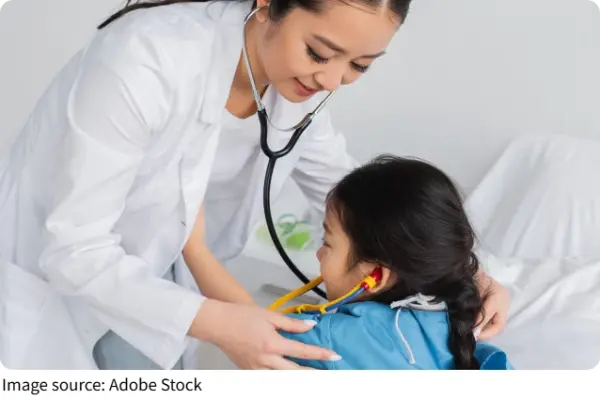
Effective pediatric communication extends beyond words; tone, expression, and pacing significantly influence cooperation and emotional stability. Children often interpret clinical environments as unfamiliar or intimidating, making calm explanations essential.
Caregivers benefit from using simple, concrete language instead of abstract terminology. Demonstrations using safe visual aids or step-by-step explanations can reduce anxiety during assessments. Parental involvement is equally important, as familiar voices provide reassurance and improve cooperation during care procedures.
3. Precision in Medication Safety and Administration
Medication management in pediatric settings requires meticulous calculation, double verification systems, and standardized protocols. Small variations in dosage can have significant effects due to differences in body size and metabolism. Therefore, independent cross-checking by trained personnel remains a standard safety measure.
Clear labeling and separation of similar packaging help prevent confusion during preparation. Liquid formulations are often preferred for accuracy, but require careful measurement using calibrated devices rather than household utensils. Documentation must be immediate and detailed to ensure continuity across shifts.
Education of caregivers at discharge also plays a critical role. Instructions should be delivered in structured, step-by-step format, avoiding ambiguity. Reinforcement through demonstration improves long-term adherence and reduces preventable complications.
4. Creating a Supportive and Calm Care Environment
A pediatric care setting benefits significantly from environmental design that reduces stress and supports emotional stability. Bright yet non-overstimulating colors, soft lighting, and minimal noise contribute to a calmer atmosphere. Familiar objects such as toys or illustrated books can provide distraction during assessments and procedures.
Consistency in caregiver interaction also helps build trust. Assigning consistent staff members when possible reduces fear associated with unfamiliar faces. Gentle handling techniques and gradual introduction to instruments or procedures help children feel more secure.
Emotional reassurance is not secondary but integral to clinical effectiveness. Reduced stress responses often lead to smoother examinations and improved cooperation during care procedures.
5. Careful Observation and Timely Clinical Response
Pediatric monitoring requires continuous attention to subtle changes rather than relying solely on overt symptoms. Variations in energy levels, feeding patterns, responsiveness, and general behavior often provide early indicators of health changes.
Accurate documentation of these observations ensures early intervention when needed. Communication between team members must remain consistent and structured to avoid delays in response. Rapid escalation protocols are essential when unexpected changes occur, ensuring timely clinical decisions.
Careful observation also extends to recovery patterns. Gradual improvement is expected in most cases, but irregular progress requires reassessment and possible adjustment of care strategies.
American Academy of Pediatric Dentistry (AAPD): “Successful treatment of pediatric dental patients depends on effective communication and developing customized behavior guidance plans dependent on the patient’s treatment needs and the skills of the dentist.”

Pediatric care represents a highly specialized field where precision, empathy, and structured protocols intersect. From infection prevention and medication safety to communication strategies and supportive environments, each element contributes to safer and more effective outcomes. Continued refinement of these practices supports not only clinical effectiveness but also emotional comfort within healthcare environments, fostering trust and stability in every interaction.