Coffee Beans Shape Your Cup

Ravish Kumar
| 01-07-2026
 · Food Team
Hi, Friends! If you have ever stood in a coffee aisle feeling genuinely puzzled by all the labels and promises on those bags, you are not alone.
The world of coffee beans is so much richer than most of us realize, and once you understand what is actually inside those bags, every sip starts to feel a little more personal and exciting.
It All Starts With the Bean Variety
The type of bean used is one of the most important factors in determining the flavor of your coffee. Think of it like choosing fruit at a market. Not all apples taste the same, and the same goes for coffee. There are four distinct types of coffee beans: Arabica, Robusta, Liberica, and Excelsa. These are not just different varieties of the same plant. They are distinct species within the Coffea genus, each with its own flavor profile, growing requirements, and market presence. Knowing what makes each one special can genuinely change the way you choose and enjoy your morning brew.
Discover the top 10 foods that can naturally speed up your metabolism and support your health journey.
Seasonal and local produce offers better taste, more nutrients, and real benefits for your wallet and the planet.
How Do We Turn Fresh Cherries Into a Smooth Homemade Fruit Tea Everyone Can Enjoy? A Step-by-Step Guide!
Cozy, creamy, and easy to make with simple kitchen staples in just a few minutes.
Can We Turn Fresh Strawberries Into a Creamy Chia Seed Pudding That Feels Like Dessert in a Jar?
Can We Turn Simple Coconut and Oats Into a Creamy, Refreshing Drink Overnight for an Easy Morning Boost?
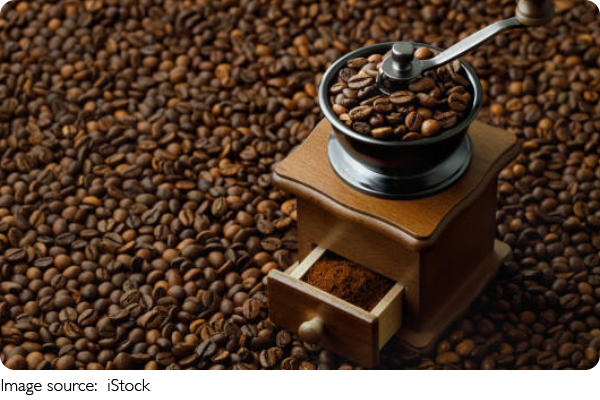
Arabica: The One You Know and Love
Arabica beans comprise about 75% of the world's coffee crop. These popular beans are thought to have originated in Ethiopia but have since been cultivated all over the world. They are grown at higher altitudes, typically between 2,000 to 6,000 feet above sea level, in regions with cooler temperatures and consistent rainfall. What does all that care and altitude bring you? Arabica beans have a smoother, sweeter taste with notes of fruit, berries, flowers, and sometimes even chocolate or nuts, depending on the specific variety and growing conditions.
Arabica beans from Ethiopia lean floral and tea-like, while Arabica beans from Colombia tend toward smooth milk chocolate and caramel. If you love a clean, well-rounded cup, Arabica is your best friend.
Robusta: Bold, Strong, and Unapologetic
Robusta is a sturdy plant that can endure a range of climates. It flourishes at lower altitudes and in warmer temperatures, producing beans with higher caffeine content and a stronger, more bitter flavor profile. Robusta is renowned for its bold and intense flavor. Tasting notes typically include a stronger, more bitter taste compared to Arabica, with earthy, timber-like, and sometimes nutty undertones. Unroasted Robusta beans contain 1.6-2.4% caffeine by dry weight, with some varieties reaching 2.7%, roughly double that of Arabica.
In the case of espresso, blending Robusta with Arabica tends to produce more crema than Arabica alone, not to mention the added caffeine kick. So if you love that thick, frothy top on your espresso, you can quietly thank Robusta for that.
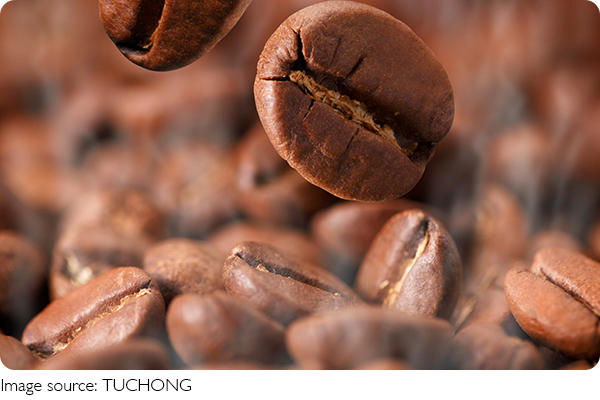
Liberica: The Rare and Unexpected One
Liberica beans are much less common than Arabica or Robusta and equally difficult to get ahold of. These beans have a unique and distinct flavor profile, often described as fruity with floral and spicy notes. The size of the bean gives it a larger surface area, allowing it to absorb more complex flavors from the soil and surrounding environment. The distinct smoky notes of Liberica are partly due to its larger beans, which store more of the volatile organic compounds that contribute to the flavor profile.
Liberica coffee is perhaps most popular in the Philippines, where it is most commonly referred to as "Kapeng Barako." With its relatively low yield and strong flavor profile, Liberica coffee beans make up less than 2% of the global coffee crop. It is a bit of a wildcard, and honestly, that is part of its charm.
Excelsa: The Adventurer's Secret Tool
Excelsa beans have a tart and fruity flavor. They are used in blends to add complexity to the flavor profile but generally have less caffeine content than both Robusta and Arabica beans. Excelsa is celebrated for its exotic and complex flavor profile. Tasting notes often include fruity, floral, and spicy undertones, with a characteristic grape-like acidity.
Grown mostly in Southeast Asia, it brings a tart, fruity brightness that sits somewhere between a dark roast's depth and a light roast's snap. Roasters often use Excelsa in blends to add complexity and a punch of acidity. If you are the type of person who loves discovering something new, Excelsa is your invitation to go deeper into the world of specialty coffee.
Why Growing Conditions Matter Too
Just as the variety of grape cultivar will impact the taste of a glass, the variety of coffee beans will have a big influence on your cup. But the bean itself is only part of the story. The specific qualities of a terroir that are responsible for coffee flavor are numerous and complex but can include altitude, climate, and soil type.
Ripe coffee will be sweeter, cleaner, and smoother if properly grown, harvested, processed, roasted, and brewed. Every step in that journey shapes what ends up in your mug.
Whether you are a loyal Arabica fan or someone curious enough to seek out a rare bag of Liberica, understanding the differences between these four bean types gives you so much more power over your coffee experience. Arabica delivers smooth and nuanced flavors, Robusta packs a bold, energizing punch, Liberica surprises with its smoky charm, and Excelsa adds a unique twist with its fruity, tart notes. Next time you pick up a new bag, take a moment to check what is inside. Your taste buds deserve that little bit of extra love.