Refining Profit Power

Pankaj Singh
| 16-07-2026
 · Information Team
Hello, Lykkers! At first glance, it may seem surprising that oil infrastructure continues attracting massive investments while the world increasingly talks about renewable energy and electrification.
The reason is simple: oil infrastructure remains deeply connected to global trade, industrial production, transportation, and energy security. For investors, these assets continue to hold strategic value—even as energy systems evolve.
Refineries Remain Critical Economic Assets
Oil infrastructure is not only about producing fuels. Refineries convert crude oil into products used across industries, including diesel, jet fuel, lubricants, petrochemical feedstocks, and industrial materials.
While transport fuel demand is changing, sectors such as aviation, shipping, chemicals, and manufacturing continue supporting refinery activity.
How routine vaccination supports long-term feline health through structured preventive care
Understanding behavioral changes that reveal emotional balance and environmental needs in domestic cats
Gold vs. Stocks: 50 Years of Data Reveals the Clear Winner
The Bright Financial Future Built Into Solar and Wind Asset Lifecycles!
Forget Location—This New Building Trend Is Creating Millions in Value!
Investors Are Rewriting ROI Rules—And Sustainability Is at the Center
This explains why many investors still view refining assets as long-term industrial infrastructure rather than purely fuel businesses.
Petrochemical demand, in particular, remains important because oil derivatives are used in plastics, packaging, textiles, electronics, and countless manufactured products.
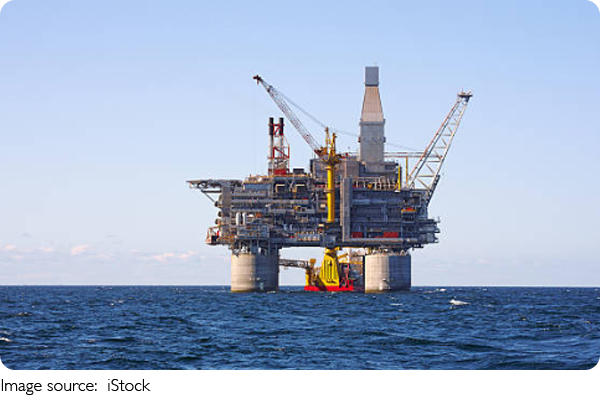
Integrated Facilities Are Drawing Investment
Modern oil investments increasingly focus on integrated complexes.
Instead of operating as standalone refineries, many projects now combine refining operations with petrochemical production, logistics networks, storage facilities, and export terminals. This model improves efficiency and creates multiple revenue sources.
Integrated facilities can reduce reliance on fuel margins while increasing exposure to higher-value products.
They also allow companies to optimize operations and strengthen supply chains.Several regions have expanded these large-scale industrial hubs because they offer economies of scale and improved competitiveness. For investors, diversification often improves long-term project economics.
Energy Security Keeps Infrastructure Valuable
Oil infrastructure is increasingly viewed through the lens of supply reliability.
Refineries, storage terminals, and transportation networks help countries maintain fuel availability and support industrial activity.
Recent disruptions in energy markets highlighted the importance of physical infrastructure in maintaining stable supply chains. Even economies investing heavily in cleaner technologies continue maintaining oil assets because many industries still depend on petroleum-based products.
Energy transition does not eliminate current demand overnight.
As a result, infrastructure that supports supply stability remains financially important.
Logistics and Storage Continue Generating Returns
Oil infrastructure extends well beyond refineries.
Pipelines, ports, storage tanks, shipping terminals, and distribution systems represent major parts of the investment landscape.
These assets often attract infrastructure investors because they may generate relatively stable income through transport agreements, storage services, and long-term contracts.
As global supply networks become more complex, logistics infrastructure has gained even greater importance. Efficient movement, storage, and export capacity can directly influence profitability within energy markets. This makes logistics assets valuable not only for producers but also for institutional investors seeking infrastructure exposure.
Expert Insight on Supply
Fatih Birol is the Executive Director of the International Energy Agency, which analyzes global energy markets and works with governments on energy security said “When it comes to energy security, there is no room for complacency.” Current forecasts are divided. The IEA’s July 2026 update expects global oil demand to fall by 1 million barrels per day in 2026, while OPEC’s July report projects growth of about 0.8 million barrels per day.

Final Thoughts
Oil infrastructure investment today looks different from the past.
Capital is increasingly moving toward efficient facilities, integrated petrochemical hubs, export networks, and logistics systems rather than simply expanding fuel production.
Investors are focusing on assets that can adapt to changing demand patterns while maintaining industrial importance.
The energy transition is reshaping markets, but oil infrastructure continues to support transportation, manufacturing, trade, and supply systems worldwide. Its role may evolve — but for now, it remains one of the world’s most significant industrial investment themes.