European Robins So Friendly?

Chandan Singh
| 27-08-2026
 · Animal Team
Greetings, Lykkers! European robins have a reputation that feels almost impossible for a wild bird: they seem unafraid of people.
In British gardens, a robin may hop close to a spade, perch on a fence while someone weeds, or even take food from a hand.
That apparent friendliness is real in the sense that robins often tolerate human presence better than many songbirds, but it is not affection in the human sense. It is a learned, survival-based behavior shaped by feeding habits, territory, and long coexistence with people.
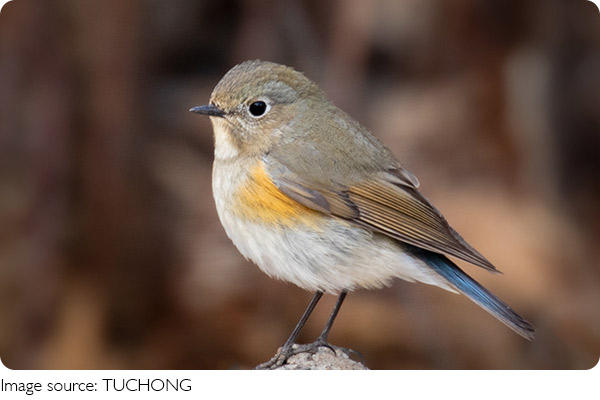
A Bird That Reads the Garden
One reason robins seem bold is that they are ground feeders. They spend much of their time searching for worms, insects, and other small invertebrates in leaf litter and freshly turned soil. When a gardener digs, hoes, or rakes, the robin often sees an opportunity rather than a threat, because human activity can expose exactly the kind of food it wants.
Zoos help protect endangered animals through careful breeding, research, and reintroduction into the wild.
Huge bodies, silent footsteps! How do tigers make almost no noise while moving?
Why Does the Blue Wildebeest Look Like Several Animals Combined? Discover Its Remarkable Grassland Journey!
How does a pouch help young kangaroos grow? The answer is amazing!
How do camels survive scorching deserts? Nature has clever answers!
Discover how mute swans communicate through gentle calls, wing sounds, and unique behaviors
This is why robins often appear right where people are working. They are not following humans for companionship; they are following the promise of disturbed ground. In the bird’s world, a spade can mean dinner. That practical association is one of the clearest reasons the species looks so comfortable around people in gardens and parks.
The Hidden Role of Territory
European robins are not soft or passive birds. They are famously territorial, and this trait shapes much of their behavior. A robin may hold its ground near a person not because it is relaxed, but because it is defending space it considers its own. In autumn and winter, territorial behavior remains especially strong in many populations, and this boldness can make the bird seem strangely confident.
That confidence is easy to misread. What looks like trust is often a combination of self-assurance and territorial pressure. A robin that keeps singing, watching, or hopping forward is frequently acting out a boundary defense strategy rather than trying to be social.
Why British Robins Feel Different
The “friendly robin” image is strongest in Britain and Ireland. There, robins are widely associated with gardens, bird tables, and people who spend time outdoors. On the Continent, however, robins are generally more cautious and woodland-bound. Sources on the species note that robins in other parts of Europe can be noticeably shyer, which suggests that local history matters a great deal.
One explanation is long-term human pressure. In some regions of mainland Europe, robins historically faced trapping and hunting, which would favor wariness. In Britain, by contrast, robins have coexisted with people in gardens and farms for generations, learning that humans are often not dangerous and may even bring food. That difference helps explain why the same species can seem tame in one place and elusive in another.
Urban Life Changes Behavior
Modern city life is also reshaping robin behavior. Research on European robins shows that urban noise can affect how they sing, with city birds adjusting song traits in response to traffic and other background sounds. Urban robins have been found to sing with different frequency patterns and song complexity compared with rural birds, showing that they are flexible animals responding to human-made environments.
This flexibility matters because it shows that robins are not simply “used to people” in a vague way. They are actively adapting to a noisy, crowded world. In urban settings, tolerance of humans may go hand in hand with changes in communication, feeding, and territory defense. The robin’s friendliness, then, is part of a wider pattern of behavioral adjustment.
The robin’s approachable nature is the product of ecology, learning, and location. It follows food, protects its patch, and adapts quickly to the human landscape. That is why a small bird can seem so personable while remaining fully wild, alert, and self-directed.
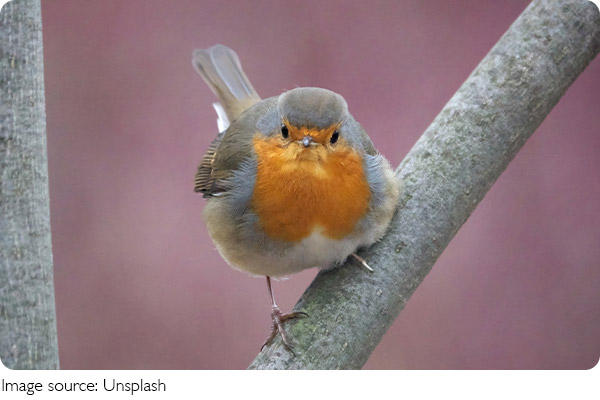
So the next time a European robin watches you from the edge of a flower bed, remember what you are really seeing: not a bird that has become tame, but one that has learned how to live cleverly beside us. And perhaps that is why this little bird leaves such a big impression.