Reindeer Facts to Know!

Chandan Singh
| 24-08-2026
 · Animal Team
Good Day, Readers! Reindeer may be famous for pulling Santa's sleigh, but their real-life abilities are even more fascinating. These hardy animals are perfectly adapted to some of the coldest environments on Earth, where deep snow, freezing temperatures, and long winter nights are part of everyday life.
Almost every part of a reindeer's body helps it survive. Their antlers, hooves, eyes, nose, legs, and thick coat all have special features that make life in the Arctic easier. From unusual clicking sounds to the ability to see ultraviolet light, reindeer have plenty of surprising secrets.
1. Female Reindeer Grow Antlers Too
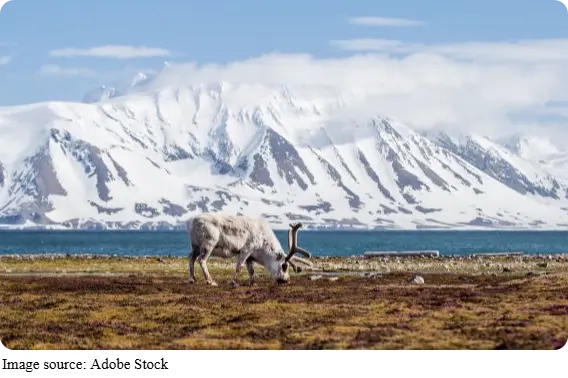
Reindeer are the only deer species in which both males and females naturally grow antlers. In most other deer species, antlers are mainly found on males. The timing is particularly interesting. Male reindeer usually shed their antlers after the autumn breeding season and grow a new set the following year. Females generally keep their antlers through winter, when food can be difficult to find.
Why are mother bears staying with cubs longer? A closer look at family bonds and survival!
Why Does Your Cat Keep Licking Its Fur? The Real Reasons Behind This Everyday Grooming Habit!
Why Do Goats Love Climbing So High? The Fascinating Reasons Behind Their Remarkable Ability to Reach High Places!
Do Sika Deer Really Lose Their Spots in Winter? The Surprising Reason Their Markings Seem to Disappear!
Why Do Lions Sleep So Much? The Real Reasons Behind Their Surprisingly Long Resting Hours!
How Does a Tiger Hunt? Discover the Silent Tricks, Sharp Senses, and Sudden Moves Behind Every Successful Chase!
Their antlers may help females compete for access to feeding areas. By using their antlers to push other animals aside, females can gain better access to vegetation hidden beneath snow.
2. Their Hooves Really Do Click
The famous sound of reindeer hooves isn't completely fictional. Reindeer can produce a noticeable clicking noise as they walk. The sound comes from the anatomy of their feet. Tendons can move over structures in the lower part of their legs, producing a snapping or clicking sound with each step. This may also help members of a herd remain aware of one another when visibility becomes poor. During snowstorms or dark winter conditions, sound can provide useful information when seeing other animals becomes difficult.
3. Lichens Become Important Winter Food
Winter makes finding food difficult across the Arctic. Plants can become buried under snow, while freezing temperatures limit the amount of fresh vegetation available. Reindeer have an important solution: lichens. They eat a varied diet throughout the year, including grasses, leaves, fungi, and other vegetation. During winter, however, lichens such as reindeer lichen can become especially important.
These hardy organisms can survive cold conditions and remain available when many other food sources are difficult to reach. Reindeer can use their hooves to clear away snow and search for vegetation underneath.
4. Reindeer Can See Ultraviolet Light
Perhaps one of the strangest reindeer adaptations is their vision. Reindeer can perceive ultraviolet wavelengths that humans cannot see. This ability is particularly useful in their northern environment because snow reflects a large amount of ultraviolet light. As a result, some objects can stand out differently against the snowy landscape.
Certain plants, animal traces, and other features may become easier for reindeer to distinguish. This unusual vision can help them search for food while also improving their ability to notice potential threats in an environment that can otherwise look like an endless white landscape.
5. Their Noses Help Warm Freezing Air
Rudolph may have a famous red nose, but real reindeer noses have something genuinely remarkable about them. Their nasal passages contain a dense network of blood vessels that helps regulate temperature. When extremely cold air enters the nose, heat from the blood helps warm the air before it travels farther into the respiratory system. The system also helps conserve moisture and heat when the animal breathes. This is an important adaptation for reindeer living in regions where winter temperatures can fall far below freezing.
6. Their Legs Help Control Heat Loss
Reindeer legs are also specially adapted for cold environments. Their circulation system includes closely positioned arteries and veins that allow heat to move between warmer blood leaving the body and cooler blood returning from the feet. This countercurrent heat exchange helps reduce heat loss through the legs while maintaining circulation to the extremities. Their long legs also help them travel through deep snow and move across large northern landscapes in search of food.
7. Their Hooves Provide Excellent Grip
Reindeer hooves change with the seasons. During summer, softer pads help provide traction on wet or soft ground. In winter, those pads become less prominent, exposing a harder edge around the hoof. That sharp edge can provide better grip on ice and frozen ground. Hair around the hooves also offers protection and helps the animals move through snow. Together, these features make reindeer surprisingly well equipped for slippery winter terrain.
Reindeer are remarkable survivors, with specialized features that help them handle snow, ice, and extreme cold. From their unusual vision and powerful hooves to their insulating coats, every adaptation serves an important purpose. Their ability to find food and conserve body heat allows them to thrive in some of the harshest northern environments. The more we learn about reindeer, the clearer it becomes just how perfectly their bodies are designed for winter life.