Country Charm, Less Clutter

Caroll Alvarado
| 14-10-2026
 · Lifestyle Team
Hello, let's get started. Country-style kitchens feel welcoming when familiar materials leave enough room for cooking, storage, and people to move comfortably.
Painted cabinets, visible wood grain, and simple ceramic dishes can establish the look without filling every surface.
A bright kitchen also needs clear preparation areas and lighting that reaches the places where work happens. Choosing those practical features first makes it easier to add country character without introducing obstacles or unnecessary maintenance.
Plan Around Everyday Cooking
Think through a familiar meal and note where ingredients, washing, preparation, cooking, and serving take place. Keep useful countertop space near the sink and cooking area, with a convenient place to set down items taken from the refrigerator.
A useful minimal desk keeps work tools close, screens readable, cables controlled, and space available for comfortable movement.
Small balcony, big potential! Create a relaxing outdoor spot with clean lines and cozy details!
Ready to make the bathroom more striking? Bold finishes and moody details can change the whole room!
Want your bathroom to feel a little more special? Small details can make a surprisingly big impact!
Why the past can feel warmer than the present — and how to use nostalgia without getting stuck in it.
Could a few small changes help your workspace feel nicer? Try these simple desk ideas!
The relationship between these zones matters more than forcing every kitchen into a particular geometric layout. In a narrow room, a clear route between tasks may work more comfortably than adding furniture that reduces the walking space.
A farmhouse-style table can provide dining space and a place for simple preparation when the room allows it. Before buying one, mark its size on a floor plan and include room for chairs to pull out. Check appliance doors, drawers, and cupboards in their open positions, not just when everything is closed. A smaller table or no central furniture may suit the household better than an island that makes two people squeeze past each other.
Keep Materials Light
Choose a limited group of colors for the largest surfaces, such as warm white cabinets, a pale countertop, and one contrasting wood tone. Muted green, soft blue, or a warmer neutral can also suit the style if those colors work with the room's daylight. You do not need to match every wood surface exactly. Compare their undertones and grain strength so the flooring, table, and shelving do not all demand the same level of attention.
Select materials according to the work they will receive. A wood countertop may need a particular protective finish and ongoing care, while laminate, tile, and stone products have their own cleaning and installation requirements.
Ask about water around the sink, heat near appliances, and the response to everyday spills before deciding. Bring samples into the kitchen and place them beside existing surfaces; showroom lighting may give a different impression from the light available at home.
Mix Display With Storage
Open shelves can display everyday bowls and cups, but their contents remain exposed to dust and cooking residue. Use a modest display area for pieces that are regularly washed and easy to reach, then keep less attractive supplies behind doors.
Glass-front cabinets offer another option for showing dishes while limiting direct exposure. Leave some empty space around displayed objects so removing one item does not require shifting several others.
Inside cupboards, arrange equipment near the task it supports rather than grouping everything by appearance. Keep regularly used cookware within comfortable reach, place heavy items where they can be lifted without stretching overhead, and use drawer dividers for small utensils. Reserve deep or high storage for lighter items used less often.
If dry ingredients are transferred into matching containers, retain their names, date information, and any necessary instructions rather than sacrificing useful labels for a uniform display.
Brighten the Working Areas
Keep available daylight useful by avoiding unnecessarily heavy window coverings and bulky objects directly in front of the glass. Add task lighting where overhead cabinets or your body cast shadows across the worktop. A decorative pendant above the table does a different job from even lighting across a preparation area, so assess both separately.
Check glare on shiny surfaces and choose fittings appropriate for their location, with professional help for changes to fixed wiring.
Finish the room with a few washable details, perhaps a checked tea towel, a simple bowl, or cushions on suitable dining chairs. Keep textiles clear of cooking equipment, and avoid using the preparation area as permanent display storage.
One useful change today is to clear a full working section of countertop and prepare a familiar snack there under the existing lights. Notice what needs a nearby home and where a shadow remains before spending on extra accessories.
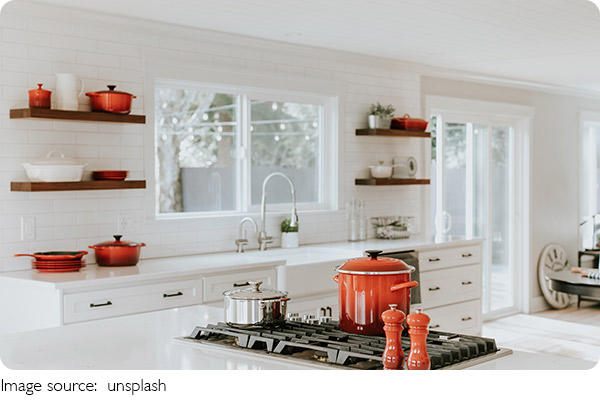
Country character is easier to enjoy when the kitchen remains bright, easy to clean, and comfortable to move through. Organize the working areas first, choose finishes you can maintain, and add decorative pieces where they leave daily cooking space available.