Robotaxis Reach London

Chandan Singh
| 10-09-2026
 · Auto Team
London is moving closer to autonomous taxi services after Uber and British self-driving technology company Wayve received approval to operate a limited fleet of robotaxis in the capital.
Transport for London has licensed 15 Ford Mustang Mach-E vehicles equipped with Wayve’s artificial intelligence driving system, cameras and radar. The cars can operate through Uber’s platform, although a licensed private-hire driver must remain behind the wheel and be ready to take control if necessary.
A First Step Towards Driverless Rides
The approval marks an important milestone rather than the arrival of fully driverless taxis. Wayve’s software is expected to control the vehicle during journeys, but a human safety driver will remain responsible for intervening when required.
Britain’s used car market returned to growth in Q2 2026, while electric vehicle transactions surged to a record share.
Global EV demand grew again in July as strong European sales offset declines in China and North America.
High fuel prices, subsidies and cheaper models are pushing more European drivers toward electric cars.
Record second-hand electric car sales show Britain’s EV transition is gaining traction, but petrol and diesel still dominate.
Reporting a medical condition online can now save UK drivers up to 10 days compared with using paper forms.
EV sales are still expanding worldwide, while batteries, charging, software and AI are reshaping the automotive market.
Uber and Wayve will need further regulatory approval before the safety driver can be removed entirely. Fully autonomous passenger services require a separate approval process involving the Driver and Vehicle Standards Agency.
TfL has said it will monitor the service closely and can intervene if passenger safety is compromised. The authority has also stressed that autonomous vehicles must support London’s Vision Zero target of eliminating deaths and serious injuries from road collisions by 2041.
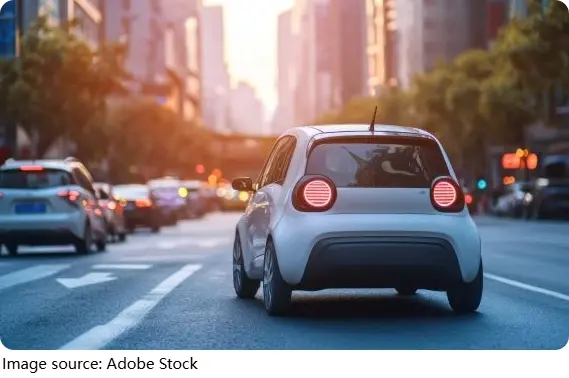
More Than 100,000 Interested
Demand appears strong even before any larger-scale rollout. Uber and Wayve said more than 100,000 Londoners had joined a waiting list for autonomous taxi rides.
Wayve has been testing its technology on London streets with safety drivers since 2018. The company, co-founded by New Zealand-born Alex Kendall, has developed an AI-based system designed to navigate complex urban environments without relying exclusively on highly detailed pre-mapped routes.
The initial approval covers up to 15 vehicles for a one-year trial period.
London Joins a Global Race
The British capital is becoming an increasingly important testing ground in the global robotaxi industry. Google-owned Waymo and Baidu’s Apollo Go are among the other companies developing autonomous transport services, raising the prospect of American, British and Chinese technologies eventually competing in the same market.
Commercial driverless taxis already operate in several cities, particularly in the United States and China, although companies from the two countries have rarely competed directly in their home markets.
Uber shut down its own autonomous-driving development division in 2020 and has since shifted towards partnerships with specialist technology companies. It is also working with autonomous vehicle businesses in other markets, including China’s WeRide.
Drivers Raise Job Concerns
Not everyone has welcomed the development. The GMB union has warned that autonomous taxis could threaten the livelihoods of private-hire drivers and has raised questions about employment, accident liability and passenger safety.
Those concerns are likely to remain central as the technology expands. The London Assembly Transport Committee has also examined issues including passenger safeguarding and the potential impact of autonomous vehicles on existing taxi and private-hire services.
Uber, meanwhile, is increasing its financial commitment to autonomous transport. The company has said it plans to invest more than $10 billion in autonomous vehicles over the coming years, although it has not provided a precise timetable.
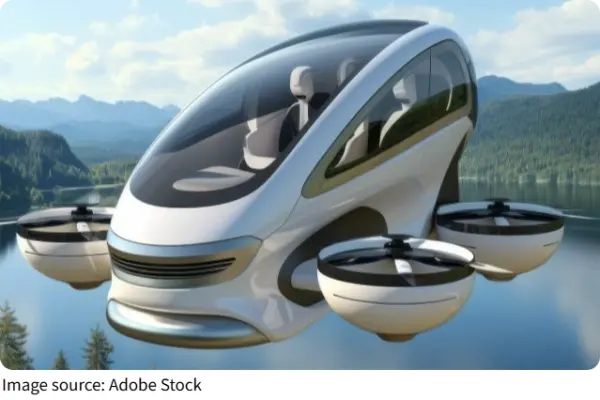
London’s first supervised robotaxis mark a significant shift in urban transport, but the transition to vehicles carrying passengers without anyone behind the wheel will depend on further safety testing, regulatory approval and public confidence.