Young Drivers At Risk

Chandan Singh
| 23-09-2026
 · Auto Team
A series of fatal crashes involving young drivers has intensified discussion about road safety in the UK and whether newly qualified motorists need more protection during their first months behind the wheel.
The debate centres on graduated driving licences, which introduce temporary restrictions while inexperienced drivers build confidence and practical skills.
Young drivers remain disproportionately represented in serious collisions. In 2024, motorists aged 17 to 24 were involved in 20% of crashes on British roads that resulted in death or serious injury, despite accounting for only 6% of licence holders. Young men face the highest risk, while passengers and other road users also make up a substantial share of those harmed in crashes involving younger drivers.
Essential checks that help drivers prepare the vehicle, stay focused, and begin every journey safely
UK car sales in 2026: Chinese brands rise, EV demand grows and Tesla returns among the biggest market changes.
New EU vehicle safety rules introduce advanced systems to protect drivers, pedestrians and cyclists from road accidents.
Europe’s new vehicle law changes how cars are designed, recycled and managed from production to the end of their life.
A UK survey says electric cars are becoming younger drivers’ top choice, thanks to lower running costs and easier charging.
New-car registrations rose across the EU in the first five months of 2026, with hybrids still the top powertrain.
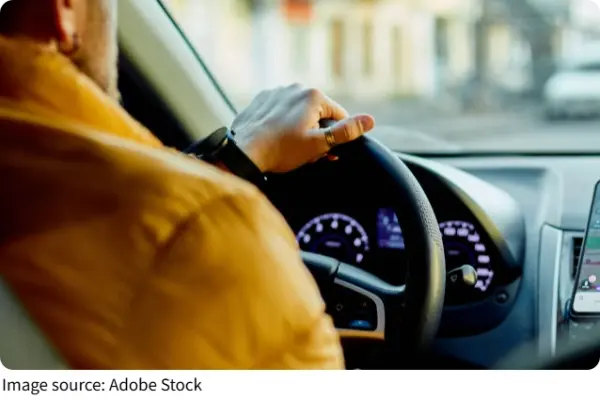
Why Inexperience Matters
The risks facing young drivers are not explained simply by deliberate recklessness. Limited experience can make it harder to recognise hazards, judge speed and react safely when something unexpected happens.
Rural roads can be particularly challenging because many new drivers learn mainly in urban settings before encountering narrow bends, poor visibility and higher speeds outside cities.
Campaigner Crystal Owen, whose 17-year-old son Harvey died in a crash in Wales in 2023, has argued that age and inexperience are often more important factors than intentionally dangerous driving. She believes new drivers should be given more time to develop skills before being exposed to the highest-risk situations.
Seatbelt use remains another concern. The Guardian reported that around one-third of young people killed in cars were not wearing a seatbelt, despite seatbelts substantially reducing the risk of death in a collision.
What Graduated Licensing Changes
Graduated driver licensing, or GDL, introduces driving privileges gradually rather than giving newly qualified motorists unrestricted access immediately after passing their test.
Possible measures can include minimum learning periods, restrictions on carrying young passengers at night and longer probationary periods.
The UK government’s 2026 road safety strategy does not introduce a full GDL system across Great Britain, but it does propose reviewing the safety of young and novice drivers and consulting on a minimum learning period before the practical test. The wider strategy aims to reduce deaths and serious injuries on British roads by 2035.
Northern Ireland Is Going Further
Northern Ireland is taking a different approach and will introduce graduated driver licensing from 1 October 2026.
The system includes a mandatory six-month minimum learning period, a structured training programme and a two-year new-driver period. Newly qualified drivers under 24 will also face passenger restrictions during their first six months after passing. Between 11pm and 6am, they will normally be allowed no more than one passenger aged 14 to 20, although exemptions apply.
The Department for Infrastructure says the reforms are designed to address the disproportionate number of young and inexperienced drivers involved in fatal and serious crashes. Officials describe the changes as the biggest overhaul of driver licensing and testing in Northern Ireland in almost 70 years.
International Evidence Is Driving The Debate
Supporters of GDL point to experience from countries including Australia, Canada and parts of the United States, where phased licensing systems have been associated with reductions in serious collisions involving young drivers. Northern Ireland’s Department for Infrastructure also cites international evidence when explaining its decision to introduce the scheme.
However, graduated licensing is not presented as a way to eliminate every crash. The argument from campaigners is that reducing exposure to the most dangerous situations during the earliest stage of independent driving could lower risk while experience develops.

Social Media Adds Another Concern
The debate has also expanded beyond licensing rules. Recent fatal incidents have drawn attention to dangerous-driving videos shared online, including footage of extreme speeding and vehicles being driven at night without lights.
The UK government has backed tougher action when social platforms fail to remove content that promotes or celebrates dangerous driving. The concern is that viral videos may encourage risky behaviour among some young drivers, although the broader problem of road deaths extends well beyond social-media trends.
The question now is how far policymakers should go in changing the way young people learn to drive. With Northern Ireland introducing a phased system and Great Britain reviewing novice-driver safety, the coming months could provide important evidence about whether stricter early protections can reduce the human cost of road collisions.