Paris Motor Show Buzz!

Mukesh Kumar
| 14-10-2026
 · Auto Team
Car exhibitions offer more than a chance to admire the latest vehicles. They provide a glimpse into how transportation is developing, from cleaner power systems to smarter features and new approaches to design.
As the automotive industry continues to move toward electrification, major exhibitions have become important places for manufacturers to present their latest ideas and show how they hope to meet changing customer expectations.
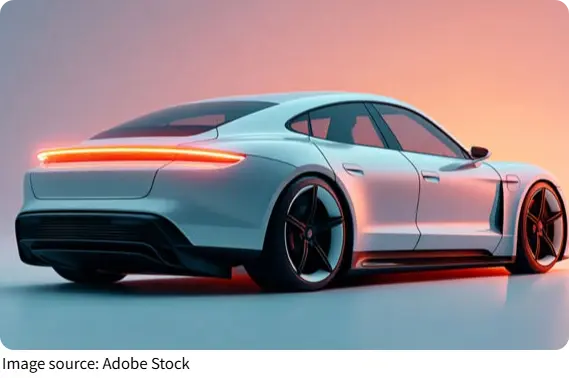
Why Automotive Exhibitions Matter
A major car show brings manufacturers, designers, technology companies, journalists, and potential buyers together in one place. Visitors can compare different models, inspect interiors, learn about new features, and see how brands are positioning themselves for the years ahead.
Europe's carmakers face rising competition from AI firms for vital supplies needed to build vehicles!
What does the interim EU-China trade deal mean? See how both sides aim to ease export tensions!
Over one in four new cars sold in the EU in August 2026 were fully electric, signalling a major market shift.
France and Germany reportedly prepare a major compromise that could reshape Europe's 2035 emissions targets and auto future.
Electric vehicles are breaking sales records across Europe, with Denmark closing the gap on Norway as cleaner transport spreads.
Electric cars are heavier and deliver instant torque! Find out how the right tires affect range, grip, and wear!
For manufacturers, these events provide an opportunity to introduce new vehicles and demonstrate their technical progress. A concept car may present an early vision of future design, while a production model shows which ideas are ready for customers. Seeing both types of vehicles side by side helps visitors understand the direction a brand is taking.
Exhibitions also make it easier to notice wider industry trends. When several companies focus on electric power, digital controls, or improved cabin comfort, those priorities become visible without requiring visitors to follow every individual product announcement.
Electrification Takes a Larger Role
Electric vehicles have become a central part of the industry's development. Instead of relying on a conventional engine alone, battery-electric models use stored electricity to power an electric motor. Some vehicles combine an engine with an electric motor, offering a different approach to reducing fuel use.
At automotive exhibitions, electric models allow manufacturers to highlight progress in battery packaging, charging capability, interior layout, and driving technology. Because electric powertrains contain fewer moving parts than many traditional engines, designers may also have greater freedom when arranging certain vehicle components.
However, choosing an electric vehicle involves more than looking at its appearance. Buyers may want to consider driving range, charging access, battery warranty, service availability, and the cost of ownership. These practical details are just as important as the technology displayed on an exhibition floor.
New Brands Bring More Choices
The automotive market is becoming more varied as manufacturers introduce new models and compete in different price ranges. Newer brands can attract attention through distinctive styling, extensive digital features, or electric vehicles designed around everyday needs.
For customers, a wider selection can make it easier to find a vehicle that matches their budget and preferences. Competition can also encourage established manufacturers to improve their products, refine their technology, and reconsider what buyers expect as standard equipment.
Still, a striking exhibition display does not tell the whole story. Buyers should look beyond promotional presentations to assess vehicle quality, safety equipment, warranty terms, replacement-part availability, and the strength of a brand's service network. A vehicle may appear appealing in a showroom, but dependable support becomes especially important after purchase.
Technology Is Reshaping the Driving Experience
Today's vehicles increasingly combine mechanical engineering with software. Digital instrument panels, connected navigation, parking assistance, and driver-support systems can make journeys more convenient when they are designed and used appropriately.
Exhibitions allow manufacturers to demonstrate these features in a controlled setting. Visitors can examine dashboard layouts, test selected functions where available, and compare how different brands present information to drivers. Yet more technology is not automatically better. Controls should be easy to understand, displays should avoid unnecessary distraction, and driver-support features should assist rather than replace attention behind the wheel.
Design Must Meet Everyday Needs
Exterior styling often attracts visitors first, but practical details can have a greater effect on daily satisfaction. Seating comfort, visibility, storage space, ease of entry, and the arrangement of controls all influence how a vehicle feels during regular use. Electric models may offer flexible interior layouts because their powertrain components differ from those of conventional vehicles. Even so, the real benefit depends on how effectively a manufacturer uses the available space.
Automotive exhibitions remain useful because they bring emerging ideas into a setting where people can compare them directly. Electrification, digital features, fresh designs, and a broader range of brands are all shaping the choices available to drivers.
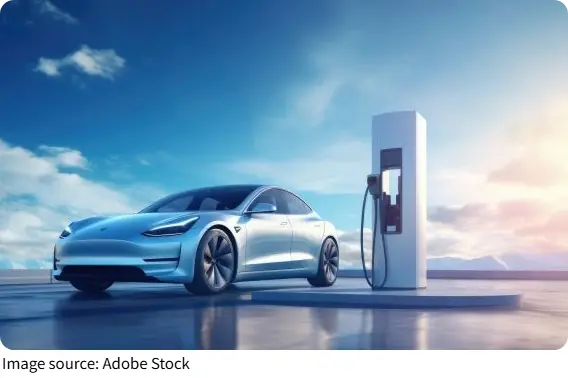
The most meaningful innovations are those that work beyond the display floor. Reliable performance, reasonable ownership costs, practical features, and accessible maintenance help turn an attractive new model into a sensible purchase. For visitors, the best approach is to enjoy the designs while paying close attention to the details that matter in everyday driving.