Dirty Dishes Clean Better

Caleb Ryan
| 22-10-2026
 · Lifestyle Team
Hello, let's get started. Proper dishwasher use reduces water consumption and ensures cleaner dishes through strategic loading and routine maintenance. Arranging dishes correctly allows water and detergent to reach all surfaces.
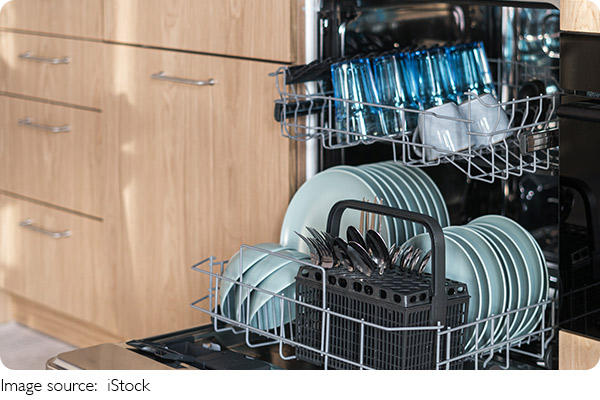
The lower rack holds heavier items such as dinner plates, serving bowls, and bulky cookware. Face soiled surfaces toward the center of the machine where spray arms deliver the strongest pressure.
Large cutting boards belong on the sides to prevent them from blocking the detergent dispenser.
You can check clearance by spinning the spray arms before closing the door; if the arm hits a tall item, reposition the load. The upper rack is meant for glasses, mugs, small bowls, and plastic containers. Place items at a slight angle on the upper rack to stop water from pooling on flat bases.
One pair can transform a look! See how high heels can add height, polish, and a stylish finish!
Ready to make the bathroom more striking? Bold finishes and moody details can change the whole room!
Pick the right main light with brightness, warmth, and shape in mind.
What makes an outdoor reading break truly comfortable?
Does your living room support the way you actually live?
How can a modern living room stay stylish and practical every day?
Mix spoons and forks together in the silverware basket rather than grouping identical items that nest together. Place knives with handles pointing upward to avoid injuries when unloading.
The Reality of Pre-Rinsing Dishes
Many individuals rinse their dishes under running water before loading them into the machine. Modern dishwashers and detergents are formulated to break down food residue directly. Rinsing dishes by hand wastes fresh water and decreases the effectiveness of enzyme-based detergents. These chemical enzymes require food particles to activate and clean properly.
Instead of rinsing, simply scrape large pieces of food and solid waste directly into the compost bin. Leaving a thin layer of sauce on the plates gives the detergent the material it needs to function correctly. This habit saves water and reduces the time spent preparing dishes. You can try this right now: scrape your next dinner plate with a fork directly into the compost bin instead of rinsing it in the sink, then place it straight into the dishwasher.
Selecting the Appropriate Wash Cycle
Modern dishwashers offer multiple cycle options tailored to different soil levels and time constraints. The automatic cycle is suitable for standard daily loads, as it relies on sensors to measure water turbidity and adjusts the duration accordingly. The eco cycle uses lower water temperatures and less water overall, extending the wash duration to compensate for reduced energy consumption.
This cycle is suitable for lightly soiled loads when you do not need the dishes cleaned quickly. Heavy-duty cycles use higher water temperatures to target baked-on food on roasting pans and heavy cookware. The quick wash cleans lightly soiled items in a fraction of the time, usually between thirty and sixty minutes. However, the quick cycle consumes more energy and water to achieve rapid results, making it less efficient for regular use.
Detergent Dosing and Rinse Aid Usage
Choosing the right detergent impacts the final results of the wash cycle. Powder and liquid detergents allow you to adjust the dose based on the size of the load, which prevents excess soap buildup inside the machine. Pods or tablets provide a pre-measured dose convenient for full loads, though they can be excessive for lightly soiled loads.
Placing the tablet in the designated dispenser compartment ensures it releases at the correct time during the main wash phase. Rinse aid is a specialized surfactant that lowers the surface tension of water, causing it to sheet off dishes rather than forming droplets. Using rinse aid speeds up the drying process and prevents mineral spots from forming on glassware and metal utensils. Fill the rinse aid dispenser regularly based on the water hardness in your area.
Monthly Filter Maintenance and Scale Prevention
A clean filter is necessary for the dishwasher to drain properly and circulate clean water. The filter assembly typically sits at the bottom of the tub under the lower spray arm. To maintain the filter, remove the bottom rack, twist the cylindrical filter counterclockwise, and lift it out of the machine. Rinse the mesh screen under warm water and scrub away any trapped food particles or grease with a soft nylon brush.
Reinstall the filter by locking it firmly into place. In regions with hard water, mineral scale can accumulate on the heating element and spray arm nozzles, reducing the machine's efficiency. To remove mineral deposits, place a bowl containing two cups of white vinegar on the upper rack of an empty dishwasher and run a standard hot water cycle. This task dissolves limescale and eliminates lingering odors from the appliance.
Applying these loading techniques and maintaining the internal components will ensure your dishwasher operates efficiently. Selecting the appropriate settings for each load minimizes resource waste while producing clean tableware. Evaluate your dishwashing habits today and adjust your routine to match the manufacturer's recommendations.