Patagonia's Hidden Gem

Owen Murphy
| 21-10-2026
 · Travel Team
Southern Chile’s Patagonia Verde offers a different side of Patagonia, with mist-covered forests, powerful waterfalls, winding fjords, and glaciers surrounded by greenery.
In the Aysén region, rain is a regular part of the landscape, helping sustain the Valdivian temperate rainforest. Travelers who appreciate wilderness and outdoor exploration will find plenty to enjoy, although reaching this remote region requires careful planning.

Walk Through Queulat National Park
Queulat National Park is one of the region’s most memorable destinations. Its trails pass beneath towering trees, moss-covered branches, and enormous nalca plants with broad leaves. Rainwater flows through the vegetation, while birds call from the forest canopy
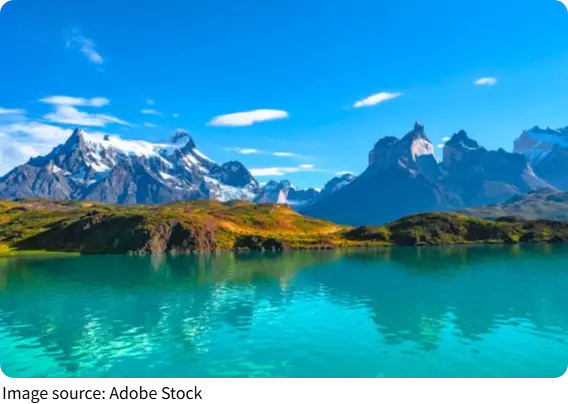
Discover Salto Grande Falls, Where Turquoise Lakes and Patagonian Mountain Views Create an Unforgettable Travel Experience!
Dreaming of a Caribbean escape? Explore sandy beaches, vibrant culture, and unforgettable adventures in the Dominican Republic!
What makes Badlands National Park unforgettable? Explore rugged landscapes, unique rock formations, and incredible wildlife!
Want to explore Korea with ease? Find train tips, routes, and smart ways to travel between cities!
Ready for a wild escape? Experience gorilla encounters, rich wildlife, and the beauty of Congo’s untouched rainforest!
What makes Victoria Falls National Park so special? Explore its wildlife, stunning views, and natural wonders!
The park’s main attraction is Ventisquero Colgante, also known as the Hanging Glacier. Blue-white ice rests between steep mountain slopes before releasing streams of water that descend toward a green lake. A designated viewpoint provides an opportunity to appreciate this unusual meeting of ice, mountains, and rainforest.
Queulat is reached by the Carretera Austral, the highway connecting communities across remote parts of southern Chile. The journey from Balmaceda Airport can take around five hours by road, depending on conditions and the destination within the park.
Parque Nacional Queulat
Follow the Carretera Austral
The Carretera Austral offers a scenic route through forests, small settlements, rivers, and mountain valleys. Along the way, travelers may see wooden houses, rural businesses, and local bakeries selling freshly prepared bread and homemade berry preserves. Driving gives visitors flexibility to stop at viewpoints and spend time in small communities.
However, gravel sections, changing weather, and long distances mean that journeys can take longer than expected. A suitable rental vehicle and extra travel time are helpful, particularly during rainy periods.
Explore Puyuhuapi Fjord
Puyuhuapi Fjord is surrounded by forested mountains that rise directly from the water. Boat excursions provide opportunities to appreciate the landscape from a different perspective and observe local wildlife. Chilean dolphins may surface near boats, while South American sea lions can sometimes be seen swimming through the fjord.
Birdwatching is another rewarding activity. Hummingbirds visit flowering plants, and kingfishers may appear near the water’s edge. Wildlife sightings depend on natural conditions, so patience is essential. Puyuhuapi Lodge offers accommodation beside the fjord, along with access to natural hot springs and guided nature activities.
How Much Does a Trip Cost?
Queulat National Park: Approximately US$12–13 for an international visitor, based on the listed foreign-entry fee of 11,400 Chilean pesos and an indicative exchange rate. Confirm the current rate before visiting.
Rental car: Budget roughly US$30–70 per day for a basic vehicle, with larger vehicles and peak-season bookings potentially costing more.
Puyuhuapi Lodge: Recent listings show rates starting at approximately US$360 per night, including taxes and fees, although prices depend on dates and room availability.
Meals and snacks: Set aside around US$20–40 per day for modest dining, depending on where you eat.
Boat trips and guided excursions: Allow approximately US$50–150 per person as a preliminary budget estimate. Confirm the actual price and what each tour includes before booking.
When to Visit
November through March is generally a practical period for visiting northern Patagonia because temperatures are milder and daylight lasts longer. Rain remains possible throughout the year, so waterproof clothing, sturdy hiking shoes, and warm layers are important regardless of the season. Check park schedules and trail conditions before departure, since weather and safety restrictions can affect access.
Patagonia Verde rewards travelers who enjoy quiet landscapes and nature-focused adventures. From the Hanging Glacier in Queulat National Park to wildlife encounters along Puyuhuapi Fjord, the region offers scenery that feels far removed from busy tourist destinations. With flexible scheduling, suitable clothing, and a realistic budget, visitors can experience one of southern Chile’s most distinctive wilderness areas.