Do Plants Clean Air?

Amit Sharma
| 19-10-2026
 · Lifestyle Team
Houseplants bring greenery into homes and offices, creating a more welcoming atmosphere. Many people also believe that indoor plants naturally purify the air by removing pollutants and releasing oxygen.
While plants do interact with the air around them, research suggests that ordinary potted plants have a limited effect on indoor air quality. Understanding their actual benefits can help people create healthier, more comfortable spaces.

How Houseplants Affect Indoor Air
Plants use photosynthesis to convert light, water, and carbon dioxide into energy for growth. Oxygen is released during this process. However, the amount produced depends on factors such as plant size, light exposure, and growing conditions.
Feeling overwhelmed by daily tasks? Learn how simple to-do lists can boost focus and restore control
One pair can transform a look! See how high heels can add height, polish, and a stylish finish!
Want a spa-like bathroom? Add soft lighting, natural textures, and calming details for pure bliss!
Discover 11 expert-approved ways to clear clutter, organise your belongings and make your home feel fresh for autumn.
Tired of messy corners? Try simple ways to spot clutter hotspots and keep your home organized!
Want a tidier home? Try eight practical decluttering habits from people who keep spaces organized!
At night, most plants stop photosynthesising and continue respiration, using oxygen and releasing carbon dioxide. This natural process does not make a room unsafe, but it illustrates why a few plants cannot substantially alter the air balance in a typical home. Houseplants may absorb certain airborne chemicals through their leaves and roots. However, their ability to do so under normal household conditions is limited.
Why Plants Cannot Replace Air Purifiers
Laboratory studies have examined whether plants can remove volatile organic compounds, or VOCs, from the air. These chemicals can be released by some paints, furniture, cleaning products, and building materials. Although some experiments have demonstrated pollutant removal in controlled chambers, ordinary rooms are much more complex.
Air constantly moves through doors, windows, and ventilation systems, while new pollutants enter through everyday activities. Research reviews have found that the removal rates measured in laboratory experiments do not translate easily to real buildings.
Ventilation and Filtration Matter More
Improving indoor air quality starts with reducing pollution and allowing appropriate air exchange. Opening windows can help dilute indoor pollutants when outdoor air quality is good. Mechanical ventilation can also help maintain airflow in enclosed spaces. Local conditions matter. Homes near busy roads or areas affected by dust may need to limit outdoor air entering during periods of poor air quality. In such situations, suitable filtration may offer a more practical solution.
Air purifiers equipped with effective particle filters can reduce certain airborne particles when selected for the room size and maintained properly. However, different filters address different pollutants, so the appropriate equipment depends on the problem being addressed. Combining source control, suitable ventilation, and filtration generally offers a more dependable approach than relying on plants alone.
Other Benefits of Indoor Greenery
Even though houseplants are not powerful air-cleaning systems, they can make indoor spaces more enjoyable. Green leaves add color and visual interest, helping a room feel more inviting. Some people also find that spending time around plants creates a calmer atmosphere.
Plant care can provide a relaxing routine away from screens and work responsibilities. Watering plants, checking their growth, and adjusting their position to meet their light needs can be satisfying activities. Choosing plants suited to the available space makes maintenance easier. Some varieties need bright light and frequent attention, while others tolerate lower-light conditions. Matching a plant to its environment helps it remain healthy without requiring excessive care.
Keeping Houseplants Healthy
Proper care helps prevent common problems associated with indoor plants. Water according to each plant's needs instead of following the same schedule for every container. Soil that stays excessively wet can encourage mould growth, especially in poorly ventilated rooms.
Choose container with drainage holes and empty trays containing standing water. Remove dust from leaves when necessary and provide appropriate light for healthy growth.
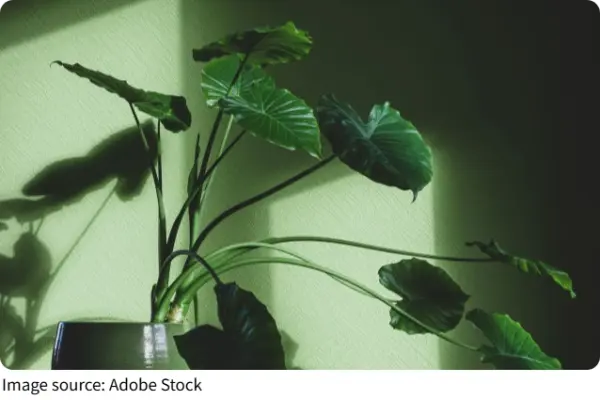
Houseplants offer beauty, enjoyment, and a simple way to bring nature indoors. For healthier indoor spaces, prioritize reducing pollution at its source, maintaining appropriate ventilation, and using suitable filtration when necessary. Plants can complement these measures, making rooms more