For An Healthy Monstera
Nolan O'Connor
| 04-11-2026
 · Plant Team
Dear Lykkers, does your Monstera grow small leaves without splits, or do its leaves turn yellow even when you water it regularly?
Don't worry! With the right light, soil, and watering routine, we can help this tropical plant grow healthier and look more beautiful. Let's explore simple ways to prevent root problems and encourage those distinctive leaf openings.
Understanding Monstera
Monstera comes from tropical forests, where it grows in warm conditions with filtered sunlight and moisture in the air. At home, we can create a similar environment by balancing light, water, warmth, and airflow.
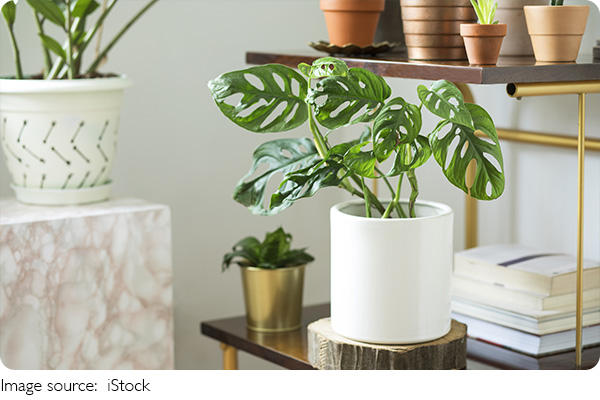
Young plants often have smaller leaves without openings. As the plant matures, its leaves may develop the familiar splits and holes. We should give it time instead of expecting every new leaf to look fully developed.
Watch a Tiny Dandelion Seed Grow Into a Golden Flower and Discover the Amazing Journey Behind Its Fluffy White Seeds
Can scientists create a truly blue rose? A new pigment breakthrough brings this floral dream closer!
A chance photo helped scientists locate a rare giant water lily in Colombia, with few plants left in the wild!
Eight-year study: sunlight, recycled nutrients, smarter greenhouses can transform sustainable food production.
Scientists found why some ecosystems thrive despite environmental threats, offering lessons for protecting nature.
Want fuller blooms? Learn how to grow chrysanthemums in containers for a colorful garden display!
Choosing Light and Soil
Monstera prefers bright, indirect light. An east-facing window provides gentle morning sunlight, while a bright room away from harsh afternoon rays can also work well. Too little light may slow growth and limit leaf development. Strong direct sunlight can cause dry brown patches.
Choose loose, well-draining soil. We can mix four parts leaf compost, three parts coconut coir, and two parts perlite to create an airy growing medium. A suitable indoor plant mix with orchid bark and perlite is another option.
Use a container with drainage holes so excess water can escape. Plastic and terracotta containers can both work when their size and drainage suit the plant.
Watering the Right Way
Overwatering is a common cause of root rot. Before watering, check the upper two or three centimeters of soil. When this layer feels dry, water thoroughly until excess moisture flows through the drainage holes. Empty the saucer afterward.
During spring and summer, the plant may need water more often because growth is faster. In winter, growth usually slows, so we should check the soil before watering again.
Avoid following a rigid schedule. Warm, bright rooms dry out faster than cool rooms with limited light. Checking the soil helps us provide water when the plant actually needs it.
Managing Humidity and Temperature
Monstera generally grows well in temperatures between 18 and 28°C. Cold drafts and sudden temperature changes can slow growth, so keep it away from exposed windows during chilly weather.
In dry rooms, a humidifier can improve growing conditions. A humidity level of around 50 to 70 percent is helpful, although the plant can adapt to ordinary indoor air.
In humid weather, good ventilation becomes especially important. Leave space around the leaves and avoid keeping the soil constantly wet.
Encouraging Larger Leaves
Healthy roots, suitable light, and steady warmth help Monstera develop larger leaves. During spring and summer, apply a balanced liquid houseplant fertilizer according to its label, often about once every four weeks.
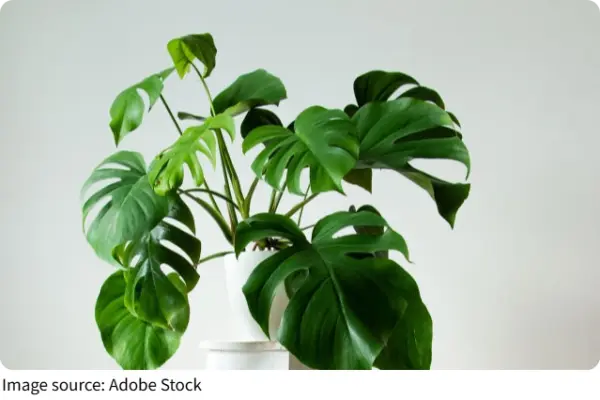
Avoid excessive feeding, which can damage roots. Because Monstera naturally climbs, a sturdy moss pole can support upward growth. As the plant matures under suitable conditions, its leaves may gradually develop more openings.
Propagating New Plants
Spring and early summer are convenient times to propagate Monstera. Choose a healthy stem cutting with at least one node and, ideally, an aerial root. A leaf without a node cannot grow into a new plant.
Use clean pruning shears to cut below the node. Place the cutting in clean water with the node submerged, or plant it in lightly moist rooting material. Keep it warm with indirect light.
Check water regularly and replace it when cloudy. For soil propagation, keep the mixture slightly moist rather than soaked. Once the roots are several centimeters long, the cutting can be transferred to a suitable container if necessary.
Fixing Common Problems
Yellow leaves may indicate overwatering, poor drainage, insufficient light, or natural aging. Check the soil and roots before changing your routine.
If the roots look dark and soft, remove the plant carefully and trim damaged sections with clean tools. Replace soggy soil with fresh, airy growing mix, then adjust your watering habits.
If leaves remain small without splits, review the plant's maturity, light, root health, and nutrition. New openings take time, so patience is important.
Final Thoughts
Lykkers, caring for Monstera becomes easier when we understand its needs. Bright indirect light, airy soil, careful watering, and stable temperatures provide a strong foundation for healthy growth.
Look at your plant today. Are its leaves healthy, and does the soil dry between waterings? Share your growing experience and tell us which Monstera care tip has helped you most.