How Strong Is Animal Memory

Mason O'Donnell
| 10-11-2026
 · Animal Team
Hello, let's get started. Most people assume animals live entirely in the present, reacting to what's right in front of them and forgetting the rest.
But research into animal cognition keeps showing that's not quite right. Some animals carry memories that are surprisingly detailed, surprisingly durable, and in a few cases, surprisingly personal.
What animals actually remember
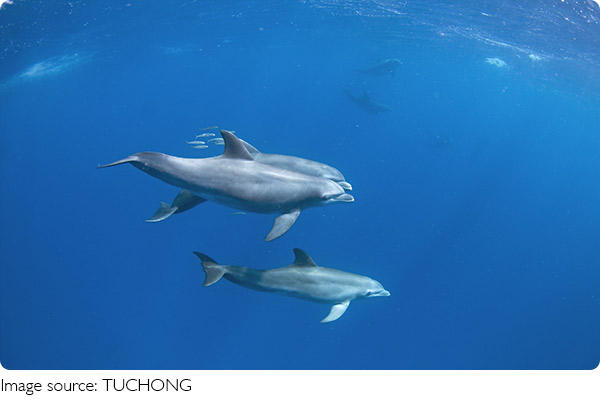
Chimpanzees can recognize the faces of other chimps they haven't seen in over 25 years, based on photo recognition tests conducted by researchers. That's not a vague familiarity either. The chimps in the study showed measurable responses to former groupmates, even after decades apart. Elephants are another well-documented case. They remember the calls of family members and respond differently to the voices of elephants they know than to those of strangers, a distinction that remains intact across years of separation. Even dolphins have shown the ability to recognize the signature whistles of former tank-mates after more than 20 years apart.
Why Does the Pelican Have Such a Huge Beak? Discover the Amazing Survival Skills Behind Its Unique Design
How the Snow Leopard's Long, Powerful Tail Helps It Balance on Steep Cliffs and Stay Warm on Freezing Mountain Nights
Did You Know? Monkeys Are More Like Us Than You Think!
Curious about brown bears? Learn how they survive in the wild!
What Makes Cheetahs The Fastest Animals On Land
You Won't Believe What These Squirrels Do at Night
Episodic memory is not just for humans
There's a specific kind of memory called episodic memory, which means remembering a particular event from a particular time and place, not just a general pattern. Researchers used to think this was a uniquely human ability. Then came the scrub jay studies. Western scrub jays cache food, which is normal enough, but they also remember what they buried, where they buried it, and how long ago they buried it, so they can prioritize retrieving perishable items before they rot. That's not reflex or instinct. That's recalling a specific event in context.
Social memory runs surprisingly deep
You might expect animals to remember threats and food sources, since survival depends on it. But the social dimension of animal memory goes further than that. Elephants have been observed returning to the spot where a herd member died and spending time there, sometimes years after the death. Chimpanzees have been documented staying near the bodies of deceased companions for extended periods, appearing reluctant to leave. Whether that reflects grief the way humans experience it is still debated, but the behavior points to a memory system that tracks individual relationships, not just useful information.
Memory shaped by what matters most
Animal memory isn't uniform across species or tasks. A Clark's nutcracker, a bird in the crow family, can hide up to 30,000 pine seeds across a wide territory and retrieve most of them months later using spatial memory that researchers describe as extraordinary. A chimpanzee named Ayumu at the Primate Research Institute in Kyoto outperformed human adults in a working memory task involving numbers flashed briefly on a screen. Both examples show the same pattern: memory tends to be strongest in the areas where a species has the most at stake.

So the next time you assume an animal has already forgotten you, or that it doesn't track what happened between the two of you, consider that the evidence is stacking up in the other direction. Animals remember more than we give them credit for, and in some specific tasks, they remember better than we do.