Leopards in the Trees

Santosh Jha
| 04-11-2026
 · Animal Team
Leopards are famous for their spotted coats, powerful bodies, and quiet movements. However, one of their most impressive abilities is climbing trees with remarkable ease.
From resting on sturdy branches to keeping food away from competitors, these big cats use trees for several important reasons. Their climbing skills are not simply a physical advantage; they are an essential part of adapting to life in the wild.
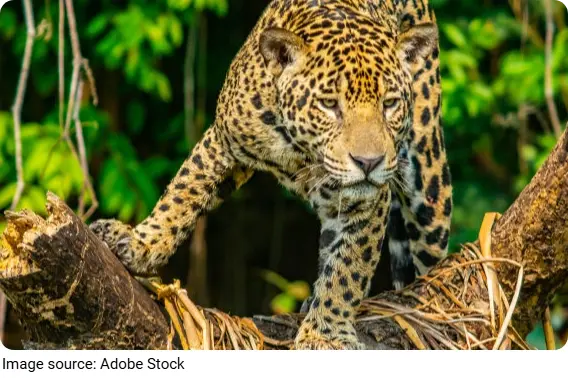
Strong Bodies Made for Climbing
A leopard's body has several features that make climbing easier. Strong shoulders and forelimbs help pull the animal upward, while sharp, curved claws grip tree bark. Powerful hind legs provide the force needed to push its body higher. Its long tail also helps maintain balance while moving along branches or adjusting its position.
Why Does the Pelican Have Such a Huge Beak? Discover the Amazing Survival Skills Behind Its Unique Design
Owls Are Nocturnal Hunters. Discover How Their Amazing Senses Help Them Thrive in the Dark
Did You Know? Monkeys Are More Like Us Than You Think!
Could a whale really swallow a person whole? Explore the science behind this ocean mystery!
Scientists found that some native New Zealand plants can survive extreme heat, offering new hope for fire-threatened forests.
How do reindeer brave freezing winters? Learn how their thick coats and hooves help them survive
Together, these physical features allow leopards to navigate trees with impressive control. Their strength is particularly useful when climbing with heavy prey or moving through uneven branches.
Protecting Food From Competitors
One of the main reasons leopards climb trees is to keep their food safe. After hunting, a leopard may carry or drag its prey into the branches, making it harder for other animals to reach the meal.
This behavior can be especially useful in habitats shared with lions and hyenas, which may compete for the same food. By moving a meal off the ground, a leopard can reduce the likelihood of losing it to another animal.
Carrying prey into a tree requires considerable strength, so this strategy is not always practical for larger meals. Leopards choose their approach according to the size of their food, the available trees, and the conditions around them.
Finding a Comfortable Resting Place
Trees can provide quiet places for leopards to rest during the day. A wide, sturdy branch offers a comfortable position away from much of the activity on the ground. Resting also helps these cats conserve energy between periods of movement and hunting. From an elevated spot, a leopard can remain relatively undisturbed while staying aware of nearby activity.
However, trees are not the only places where leopards rest. Depending on their habitat, they may choose thick vegetation, rocky shelters, or shaded areas on the ground. Their ability to use different environments gives them flexibility throughout the day.
Getting a Better View of the Surroundings
Climbing can give a leopard a useful vantage point. From a suitable branch, it may observe movement across nearby grassland or woodland without exposing itself as much as it would in an open area. Good visibility can help the animal monitor its surroundings and notice potential opportunities. Leopards depend on patience and stealth when hunting, so observing an area before moving can be beneficial.
Still, a higher position does not guarantee a successful hunt. Leopards must also consider distance, cover, and the movement of their intended prey. Trees are simply one of several advantages they can use when navigating their environment.
Avoiding Unwanted Encounters
Although leopards are capable predators, they sometimes need to avoid other animals. Climbing provides an alternative escape route when remaining on the ground becomes uncomfortable or risky. A tree can offer temporary refuge from certain competitors and allow a leopard to avoid an encounter. This ability is particularly valuable because leopards generally live and hunt alone rather than depending on a group for protection.
Of course, climbing is not a perfect solution to every threat. The animal still needs suitable branches and a stable route upward. Its success depends on the surrounding landscape and the situation it faces.
How Their Habitat Shapes Their Behavior
Not every leopard relies on trees to the same degree. Those living in wooded areas may have many opportunities to climb, while individuals in more open environments may depend on bushes, rocky outcrops, and other natural shelters. The availability of suitable trees, the presence of competing animals, and access to resting places can all influence climbing behavior. Leopards adjust their movements to the resources around them rather than following one fixed pattern.
This flexibility helps explain why the species can live in a variety of habitats. Its survival depends not only on physical strength but also on the ability to use different features of the landscape effectively.
A leopard climbing a tree is doing much more than showing off its agility. Trees can help protect food, provide comfortable resting places, improve visibility, and offer a route away from potential danger.
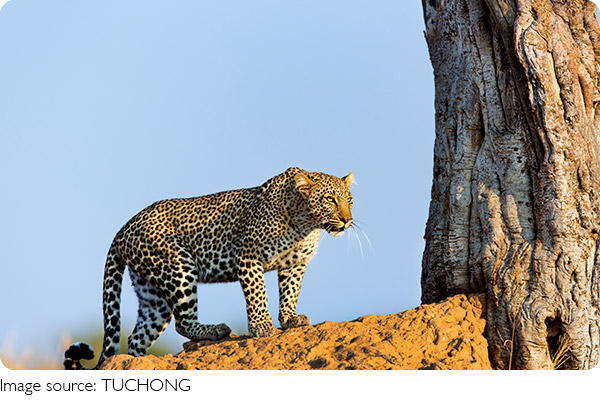
By combining powerful limbs, sharp claws, excellent balance, and careful decision-making, leopards make effective use of both the ground and the branches above it. Their climbing ability is one of the practical skills that supports their adaptability in the wild.