Hamster Hoarding Habits

Ravish Kumar
| 11-11-2026
 · Animal Team
Hamsters have an amusing habit that makes many owners smile: they stuff their mouths so full that their cheeks look like tiny balloons.
Whether collecting seeds or carrying treats back to their nests, these little animals seem to have an insatiable appetite for food. However, this behavior is not simply about eating. It is connected to their natural instincts, special body structure, and need for a secure environment.
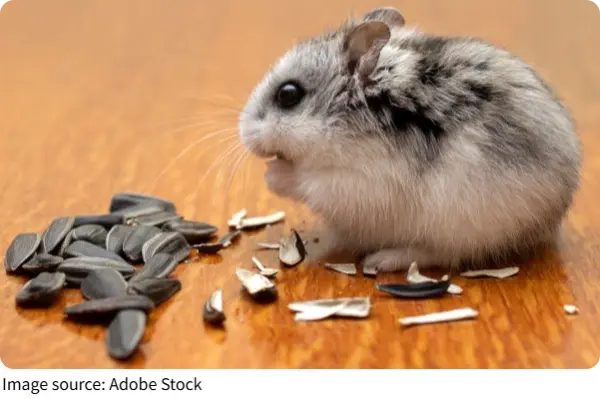
Special Cheek Pouches for Carrying Food
One of the most interesting features of hamsters is their cheek pouches. These expandable pockets extend along both sides of the head, allowing hamsters to collect and transport food without immediately swallowing it.
When a hamster discovers food, it can quickly fill both pouches with seeds, grains, and other suitable items. Once its cheeks are full, it carries the collection to a safer place, usually its nesting area.
Why Do Cats Switch Between Clingy and Independent? Discover What Your Feline Friend Really Wants
What happens when jaguars roam the wild? Get a closer look at their habits, skills, and world
Discover How to Care for Black Swans and Create a Clean, Safe, and Comfortable Home for These Graceful Birds
Do Sika Deer Keep Their White Spots Forever? Discover Surprising Facts About Their Changing Coats and Hidden Habits
A vast new analysis reveals where jaguar populations remain connected — and where shrinking corridors could put them at risk.
Why Are Jellyfish Almost Invisible? Discover How Their Transparent Bodies Help Them Survive in the Ocean!
These pouches work like natural shopping bags. Their flexible structure allows them to expand when filled and become smaller when empty. This adaptation makes gathering and transporting food much easier.
Why Hamsters Love Storing Food
Food hoarding is a natural hamster behavior. In their native habitats, food availability can change depending on the season and surrounding conditions. Collecting food when it is available helps them maintain a supply for later.
Instead of eating everything immediately, hamsters carry food back to their shelters and store it. These hidden collections are often called food caches.
This habit allows them to access food without leaving their protected spaces every time they feel hungry. Even pet hamsters continue displaying this instinct despite receiving regular meals from their owners.
You may notice your hamster hiding seeds in corners, tunnels, or underneath its bedding. This is generally normal behavior rather than a sign that it is unhappy with its feeding routine.
The Connection Between Hoarding and Security
Food storage is not only about having something to eat later. It is also linked to hamsters' preference for a familiar, comfortable environment.
Hamsters generally enjoy having private spaces where they can rest, hide, and organize their belongings. Keeping a small food collection near their nesting area is part of their natural routine.
Their instincts encourage them to gather useful resources and keep them close. This explains why a hamster may continue filling its cheeks even when its food bowl is already full.
How Their Brains Support This Behavior
A hamster's brain also plays a role in its food-collecting habits. Gathering food and exploring familiar spaces are activities connected to natural motivation and the brain's reward system.
When a hamster discovers food, collects it, and successfully transports it to a preferred storage area, the experience can encourage similar actions in the future.
Rather than consciously planning a food collection like a human organizing a pantry, hamsters rely on instincts and learning processes that guide their repeated behavior.
How to Care for a Food-Hoarding Hamster
Owners can support this natural habit by providing suitable food and maintaining a clean living space. Preventing food storage is unnecessary. Instead, create safe opportunities for your hamster to collect and hide appropriate items.
Offer balanced hamster food in suitable portions, following feeding recommendations for its species and individual needs. Small amounts of appropriate seeds can also provide variety.
Check for hidden food supplies regularly, as fresh food can spoil if left in a warm nesting area. Remove damp or spoiled items carefully without unnecessarily disturbing the sleeping space.
Pay attention to unusual changes around the cheeks. Persistent swelling, difficulty emptying a pouch, unusual discharge, or a strong smell may indicate a health problem. Consult a veterinarian familiar with small animals if these signs appear.
Never try to forcefully empty a hamster's cheek pouches. Professional veterinary care is the safer choice if something appears to be stuck.

A hamster stuffing its cheeks with food is displaying one of its most recognizable natural behaviors. Special cheek pouches make transportation easier, while food-storage instincts explain why these little animals continue collecting even when meals are readily available.
By providing suitable food, a clean habitat, and regular observation, owners can support this fascinating habit while keeping their pets comfortable and healthy.
The Hidden Reason Your Hamster Hoards Food in Its Cheeks | HamTalk
Video by HamTalk