Grow Melanochrysum

Naveen Kumar
| 02-11-2026
 · Plant Team
Philodendron melanochrysum is a striking houseplant known for its large, velvety leaves and elegant climbing growth. Its deep green foliage, often accented by pale veins, adds a rich, natural touch to an indoor space.
Although this tropical plant has specific growing needs, it can thrive at home with the right balance of light, moisture, warmth, and support.
Getting to Know Philodendron Melanochrysum
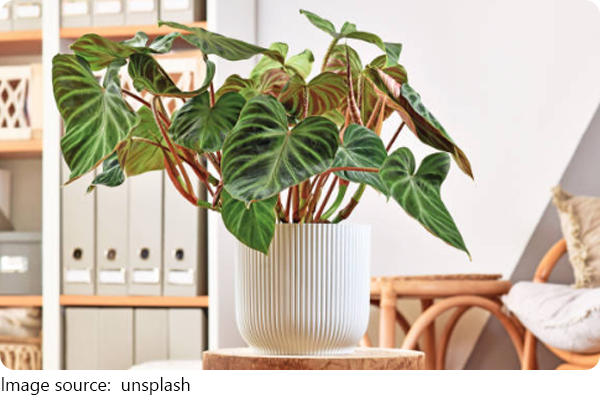
Native to the tropical regions of Colombia, Philodendron melanochrysum belongs to the aroid family. It grows as a climbing plant in its natural environment, using nearby surfaces for support as its stems develop. Indoors, its most recognizable feature is its elongated, heart-shaped foliage with a soft, velvety texture.
Learn to turn simple stones into a beautiful garden
How Can We Prune Pine Bonsai Trees to Maintain Their Natural Shape and Encourage Healthy, Balanced Growth?
Why Won’t Your Clivia Bloom? Tricks To Get Glossy Green Leaves and Beautiful Flowers Year After Year
Is Your Monstera Growing Small Leaves Without Splits? These Simple Care Tips Can Help It Thrive Indoors
Watch a Tiny Dandelion Seed Grow Into a Golden Flower and Discover the Amazing Journey Behind Its Fluffy White Seeds
Can scientists create a truly blue rose? A new pigment breakthrough brings this floral dream closer!
Young leaves may appear lighter before gradually developing a deeper green color as they mature. Their prominent veins create an attractive contrast against the leaf surface, giving the plant a distinctive appearance even when displayed on its own.
Choosing the Right Indoor Location
Light plays an important role in maintaining the plant's appearance. Philodendron melanochrysum generally performs best in bright, indirect light. A position near an east-facing window can work well, while a spot near a south- or west-facing window may require a sheer curtain to soften stronger sunlight.
Direct midday sun can scorch the foliage, leaving pale, brown, or dry patches. On the other hand, a location that stays too dark may slow growth and produce smaller leaves with longer spaces between them. Observe the plant after placing it in a new location. Healthy growth and leaves that maintain their usual color are encouraging signs.
Watering Without Overdoing It
Consistent moisture is important, but a constantly wet growing medium can create problems for the roots. Rather than following a rigid watering calendar, check the soil before adding more water.
Allow the upper portion of the growing medium to dry slightly between waterings. When the surface feels dry to the touch, check a little deeper before deciding whether the plant needs water. Water thoroughly until excess moisture drains through the drainage holes, then empty any water collected in the tray beneath it.
The frequency will depend on several factors, including room temperature, humidity, container size, and the type of growing medium. Plants in warmer rooms may need water more frequently than those growing in cooler conditions. Yellowing leaves and persistently soggy soil can indicate excessive watering, while drooping foliage and very dry soil may suggest that the plant needs moisture.
Soil, Humidity, and Temperature
A loose, well-aerated growing medium helps roots receive both moisture and oxygen. A mixture containing coco coir or peat-based material, orchid bark, and perlite can provide a useful balance of water retention and drainage. Choose a container with drainage holes to prevent excess water from collecting around the roots.
As a tropical plant, Philodendron melanochrysum appreciates warm conditions and moderate to high humidity. Typical indoor temperatures can suit it well, as long as the room remains comfortably warm and avoids sudden fluctuations. Keep the plant away from cold drafts, air-conditioning vents, and direct blasts from heating equipment.
Dry indoor air may contribute to brown leaf edges or slower development. A humidifier can help maintain more consistent moisture in the air, particularly in rooms that become dry during certain seasons.
Providing Support and Regular Care
A climbing support gives the plant room to grow vertically and helps keep its stems organized. Attach the stems loosely using soft plant ties, taking care not to squeeze or damage them. A moist moss pole may encourage aerial roots to attach, though other sturdy supports can be effective as well.
Common Problems to Watch For
Brown leaf edges may develop when humidity is low, watering is inconsistent, or fertilizer salts accumulate in the growing medium. Yellow leaves can have several causes, including excessive moisture, insufficient light, or the natural aging of older foliage.
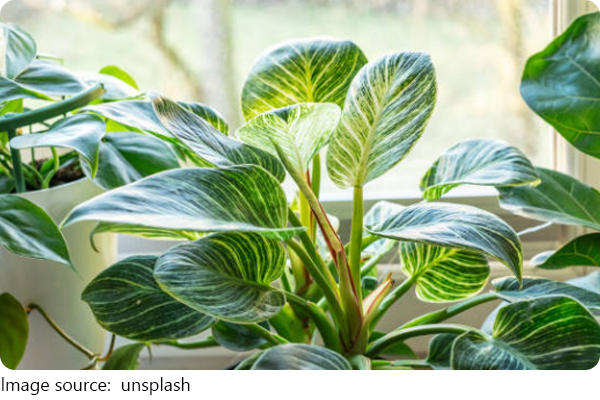
Inspect the leaves and stems regularly for pests such as spider mites, thrips, and mealybugs. Catching an infestation early makes treatment easier. Isolate an affected plant from nearby houseplants and apply the appropriate treatment according to the instructions. Growing Philodendron melanochrysum indoors becomes much easier when its basic needs are understood. With consistent care and enough room to climb, this tropical philodendron can develop impressive foliage that brings texture and greenery to an indoor collection.