A Day Above Cape Town

Pankaj Singh
| 05-11-2026
 · Travel Team
Cape Town has a skyline unlike almost anywhere else. Rising above its colorful neighborhoods and Atlantic coastline, Table Mountain forms a spectacular natural backdrop, with a broad summit reaching approximately 1,085 meters above sea level. From the top, the city seems to unfold between mountains and ocean.
The adventure can begin with a cable car ride through the clouds or a challenging walk up the mountainside. Either way, a little preparation makes the experience much smoother. From choosing the right season to budgeting for transport and meals, here is how to enjoy one of South Africa's most celebrated landmarks.

The Journey Begins Below the Mountain
Table Mountain rises close to central Cape Town, so reaching it is relatively straightforward. From Cape Town International Airport, a taxi or ride-hailing service usually takes 25–40 minutes, depending on traffic, with fares often ranging from R250–R450.
Explore Egypt's chalk landscapes and plan your journey with transport, accommodation, and budget tips
A landscape of rolling white dunes and rain-filled lagoons awaits in Maranhão, with the best views changing throughout the year
In Paşabağ Valley, towering mushroom-shaped rocks and ancient hermit shelters reveal a remarkable side of Cappadocia's landscape.
Visit Socaire and Toconao thoughtfully, compare transport costs, and choose a San Pedro lodging base.
See Iceland's icy waterfall at its best, with tips on routes, timing, and where to stay
Plan a rock-arch night shoot with reserve fees, gravel-road logistics, three lodging styles, and dark-sky timing.
If you are staying in the City Bowl or Gardens, the journey is much shorter. A ride to the cableway area might cost approximately R100–R200.
For a more leisurely approach, Cape Town's City Sightseeing buses include a route serving the mountain, with one-day sightseeing tickets generally costing several hundred rand.
Drivers can use designated parking along Lower Tafelberg Road, where a complimentary shuttle connects visitors with the lower cableway station.
From there, the real excitement begins. The rotating cable car takes roughly five minutes to reach the summit, revealing changing views of the city as it climbs.
Table Mountain (Nature Reserve)
Rising Above Cape Town by Cable Car
As the cable car climbs, buildings become smaller and the coastline stretches farther into view. Soon, the rocky summit replaces the busy city below.
The Table Mountain Aerial Cableway is the easiest way for most visitors to reach the top. For the July 2026–June 2027 tariff period, published online fares are approximately R475 for a return ticket and R300 for a one-way journey. Children's return tickets, for ages 4–17, cost around R230 online.
Buying online is generally cheaper than purchasing tickets at the station, although queues may still form during busy periods.
Operating hours change seasonally. Winter schedules typically begin around 8:30 AM, with the last descent near 6:00 PM, while summer operations may continue until approximately 9:00 PM.
Strong winds can stop the cableway unexpectedly, so check tablemountain.net on the morning of your visit.
Finding the Best Moment to Visit
Imagine reaching the summit just as the clouds begin to clear, revealing Table Bay and the city below. Weather can transform the experience, which makes timing especially important.
Cape Town's summer, from December to February, brings long days, warmer temperatures, and plenty of visitors. Daytime temperatures in the city often reach the mid-20s Celsius, although hotter days occur.
Autumn, from March to May, and spring, from September to November, can be particularly pleasant for sightseeing and photography.
Winter, from June to August, tends to be cooler and wetter, with more frequent cloud cover and cableway interruptions.
Whatever the season, the summit can be considerably colder and windier than the city. Bring a jacket, comfortable walking shoes, drinking water, and sunscreen.
For a relaxed cableway excursion, allow approximately two to three hours, excluding unusually long queues.
Where to Stay and What to Eat
After a day above the city, returning to a comfortable neighborhood makes the trip even more enjoyable.
Gardens and the City Bowl are convenient bases for visiting Table Mountain, while Green Point and Sea Point offer easy access to restaurants and the waterfront.
Budget travelers might find hostel beds around R300–R600 per night, while guesthouses commonly range from R700–R1,400. Mid-range hotels may cost R1,500–R3,000, with luxury accommodation often considerably higher.
These are planning estimates rather than fixed rates, especially during Cape Town's busy summer season.
Food offers plenty of choice. A cafe breakfast might cost R100–R200, a light lunch R90–R180, and a casual restaurant meal R150–R300 per person.
At the summit, TEN67 Eatery offers a convenient place for refreshments and light meals. Enjoying a coffee while looking across Cape Town can be a memorable part of the visit.
Exploring Beyond the Main Viewpoints
Once you step onto the summit, there is no need to rush back to the cable car.
Short walking paths lead to different viewpoints, where the landscape changes from city rooftops to distant mountains and ocean.
Visitors seeking more adventure can hike up Platteklip Gorge, a steep route that often takes two to four hours to ascend. It requires suitable footwear, water, and reasonable fitness.
Another rewarding destination is Kirstenbosch National Botanical Garden, situated on the mountain's eastern slopes. Its indigenous plant collections and elevated Boomslang walkway offer a completely different perspective on the landscape.
Farther south, Boulders Beach is famous for its African penguins, while Cape Point offers dramatic coastal scenery.
Both attractions charge separate entrance fees and require additional travel time. They are better enjoyed on a dedicated Cape Peninsula excursion than squeezed into a short mountain visit.
Making the Most of Your Mountain Day
A memorable visit begins with flexibility. Check the cableway's operating status before leaving your accommodation, especially when clouds or strong winds are forecast.
If the weather is clear, consider arriving early to enjoy the summit before the busiest periods. Follow marked paths and keep a safe distance from exposed edges.
Hikers should never rely on the cableway being available for their descent, since weather closures can happen during the day.
Remember that South Africa uses the rand (ZAR), so checking current exchange rates will make budgeting easier.
For a typical cableway visit, set aside money for the return ticket, local transport, refreshments, and any souvenirs.
Most importantly, leave time to appreciate the scenery. The changing light, distant coastline, and remarkable mountain landscape are the real highlights of the experience.
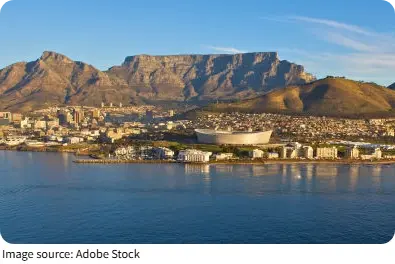
Table Mountain is more than a famous landmark overlooking Cape Town. It is a place where a short cable car ride can lead to remarkable views, peaceful summit walks, and a new perspective on the city below. With thoughtful planning, visitors can balance the cost of tickets, transport, accommodation, and meals without losing the sense of adventure. Whether you choose an easy ascent or a demanding hike, allow the mountain to set the pace. Sometimes the best part of a journey is simply standing still and taking in the view.
Visit Table Mountain in Cape Town, South Africa
Video by Viator